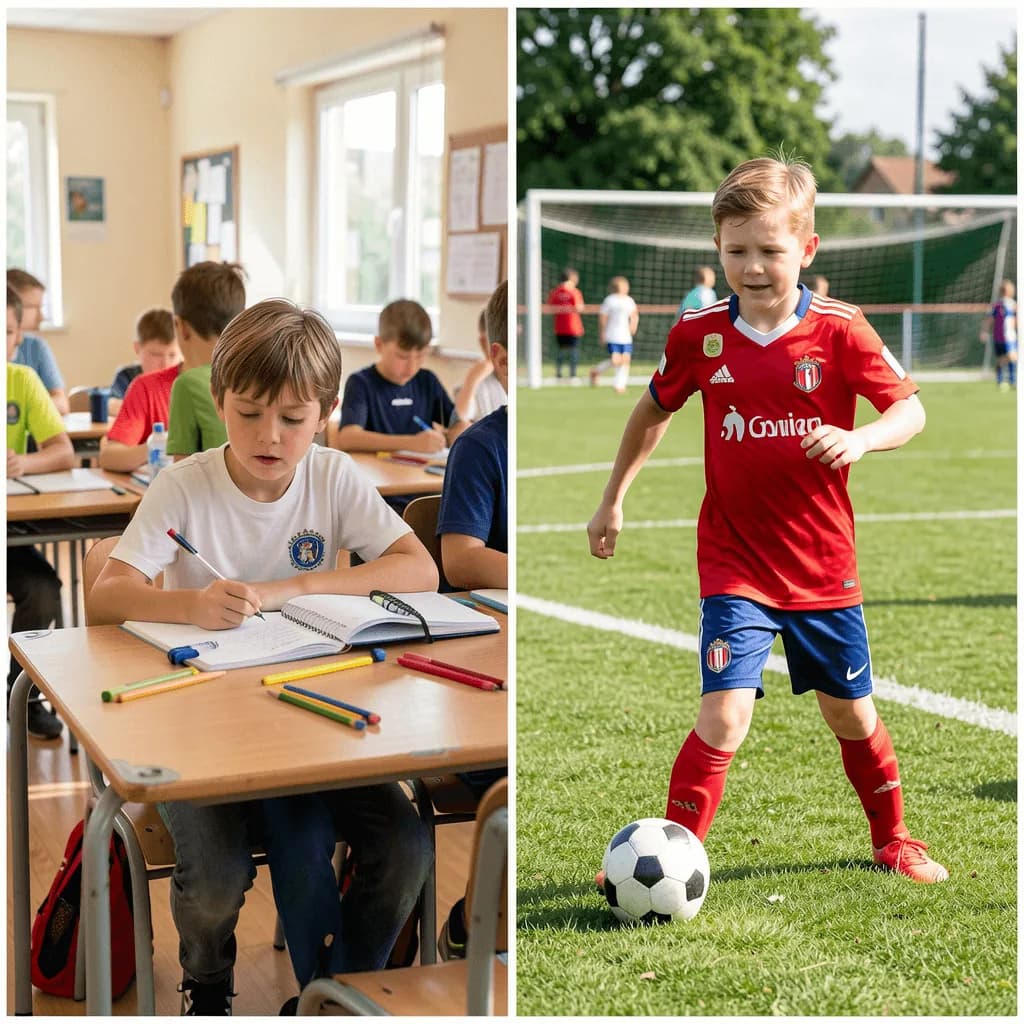
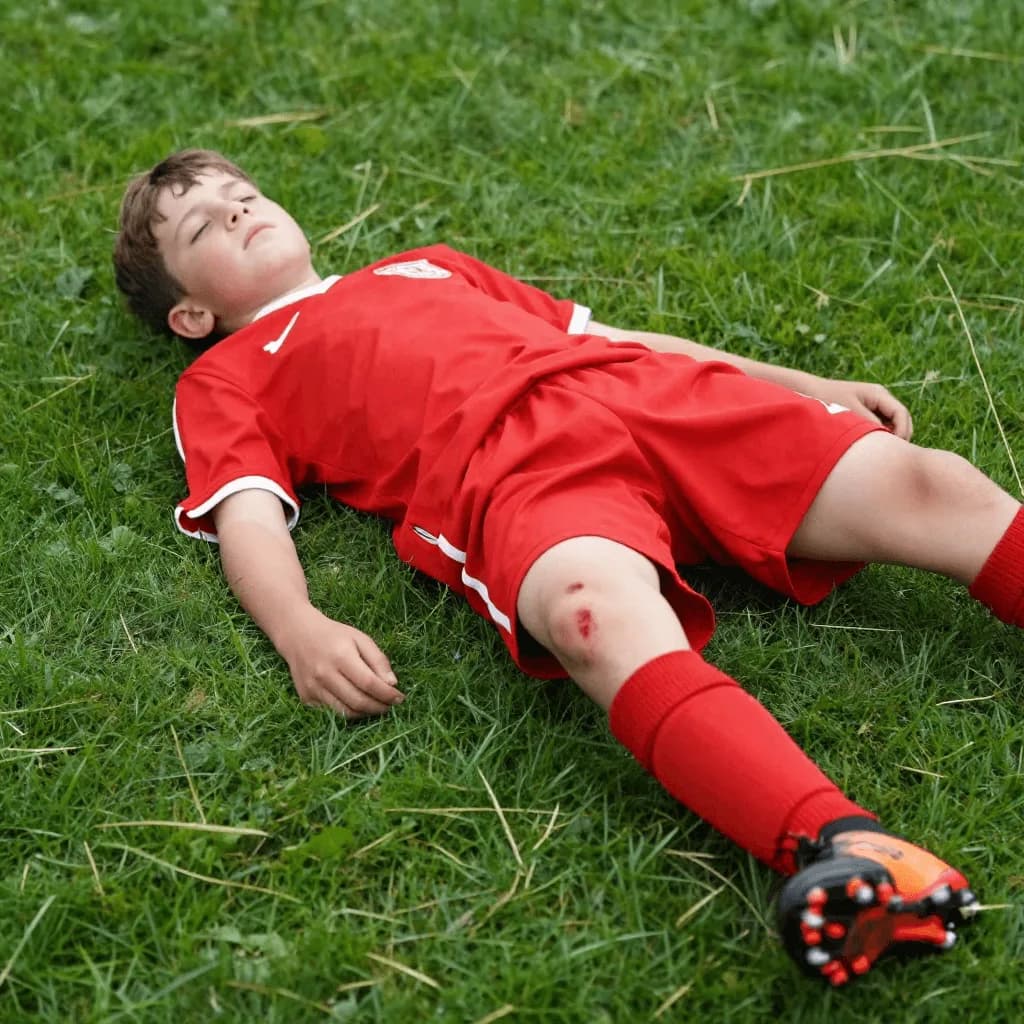
For a young athlete, an injury is one of the hardest moments. Suddenly the pitch and the teammates are gone. Injury is no holiday: how can you support a young athlete on the road to recovery? ⚽
For an active child, news of a break from training sounds like a sentence. “How long will it take?”, “Will I lose my place in the team?”, “Will they remember me?” – these questions swirl around a young player’s head.
Rehabilitation isn’t “time off” – it’s the hardest training a child has to go through. How can you help them get through it with their head held high?
1. Name the emotions
Anger, sadness and even tears are OK. Don’t say: “It’s only your leg, it’ll heal.” Say: “I know you really miss the pitch and that makes you sad. We’ll get through this together.”
2. Keep in touch with the team
Isolation hurts most. Take your child to their teammates’ match (if their health allows), let them drop into the changing room and go along to a team meal. Being part of the group is a powerful motivation to come back.
3. Change the goals: from the pitch to the treatment room
Focusing on progress in rehabilitation gives a sense of control.
- Instead of: “When will you be back scoring goals?”
- Ask: “Which stability exercise did you do best today?” Every extra degree of bend in a joint or walking without pain is a small victory.
4. Use the “free” time for mental development
An injury takes out the legs, but not the head. It’s the perfect moment for:
- Watching match analysis and learning tactics.
- Concentration and visualisation exercises.
- Reading the biography of an athlete who also came back from injury.
5. Trust the specialists, not the rush
The biggest enemy is coming back too soon. Help your child to be patient. It’s better to return a week later and 100% ready than a month too early and at risk of re-injury.
Remember: An athlete’s character is built not only in the glow of victory, but above all in the quiet of the physiotherapist’s treatment room. That is where the determination is forged that will pay off on the pitch.
Frequently asked questions
How should I talk to my child after an injury?
Name the emotions instead of playing them down. Instead of “it’s only your leg, it’ll heal”, say: “I know you really miss the pitch and that makes you sad. We’ll get through this together.”
Should I take my child to team matches while they are injured?
Yes, if their health allows. Isolation hurts most, and being in the changing room, at a match or at a team meal keeps up a sense of belonging and motivates them to come back.
What can they do during rehabilitation?
An injury takes out the legs, but not the head – it’s a good moment to watch match analysis and learn tactics, do concentration and visualisation exercises, and read the biography of an athlete who came back from injury.
How should we talk about progress?
Move the goals from the pitch to the treatment room. Instead of “when will you be back scoring goals?”, ask: “which stability exercise did you do best today?” The biggest enemy is coming back too soon – it’s better to return a week later and fully ready.