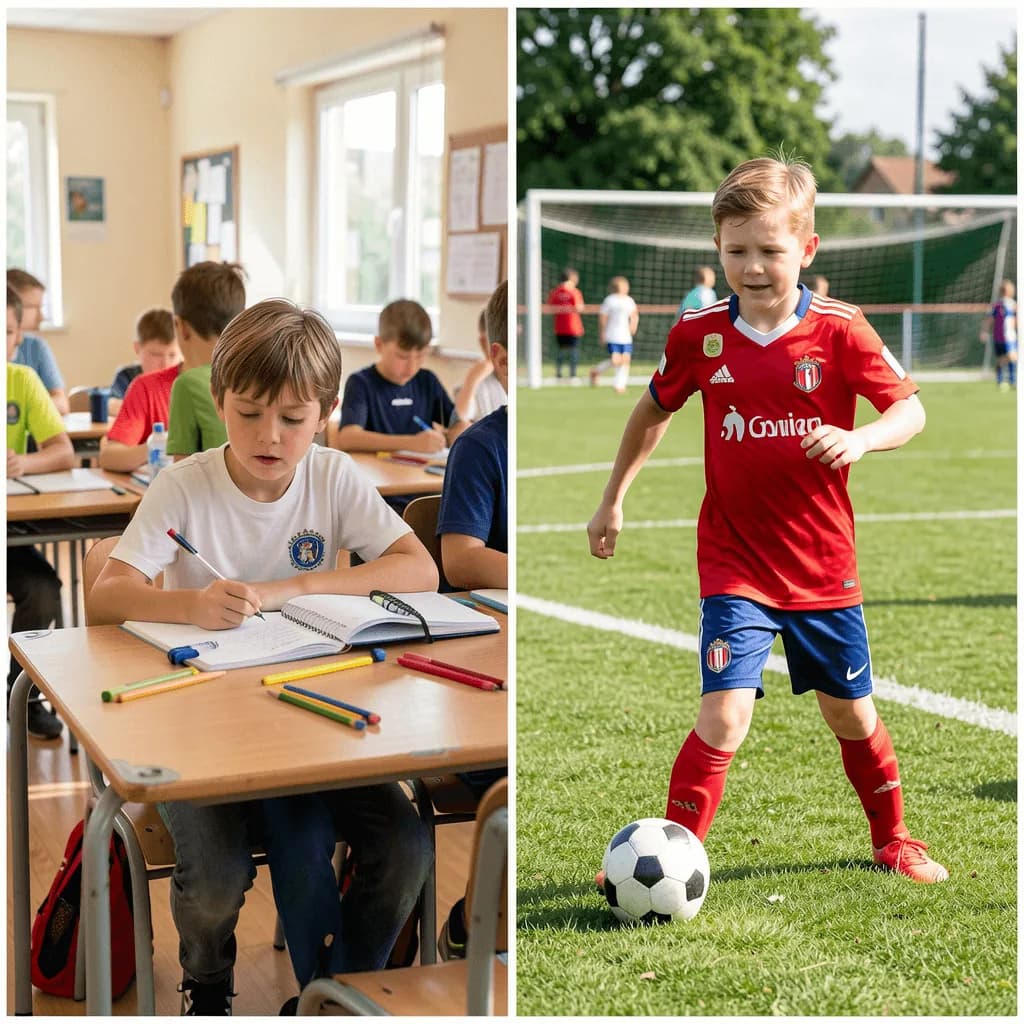

For a child, defeat is not just a “lost game”; it often brings big emotions that a young person doesn’t always know what to do with. Our role as adults is not to shield children from every mistake, but to teach them how to carry on with their heads held high.
Here is a ready-made post you can publish on your social media.
Defeat isn’t the end of the world – it’s a lesson! How can you support your child through it?
Have you ever seen tears after a lost match, a colouring page thrown into a corner because it “didn’t come out right”, or anger after a disappointing mark? That’s natural! Defeat hurts, but it is also one of life’s most important teachers.
How can you help your child through difficult moments and build mental resilience? Here are a few proven steps:
1. Allow the emotions
Instead of saying “It’s nothing”, say: “I can see you’re sad / angry. It’s hard to lose when you tried so hard”. Naming emotions is the first step to taming them.
2. Separate the result from your child’s worth
Your child needs to know that your love doesn’t depend on trophies won or top marks at school. Failing at a task doesn’t mean your child “is a failure”.
3. Focus on effort, not on the outcome
Instead of “Shame you didn’t win”, try: “I saw how much work you put into getting ready. I’m proud of how you kept at it”. Value the journey, not just the finish line.
4. Be a role model (make mistakes!)
Show your child how you deal with setbacks. When you burn the dinner or forget something important, say out loud: “Oh well, it happens. Next time I’ll set a timer”. Children learn by watching.
5. Draw conclusions (calmly)
Once the emotions have settled, think it over together: “What did this teach us? What can we do differently next time?”. This builds a Growth Mindset – an attitude focused on development.
Remember: By giving your child the right to fail, you give them the courage to try again in the future.
Frequently asked questions
What should you say to a child straight after a defeat?
Instead of “it’s nothing”, name the emotions: “I can see you’re sad. It’s hard to lose when you tried so hard”. Naming emotions is the first step to taming them.
How should you praise a child to build resilience?
Value effort, not the outcome. Instead of “shame you didn’t win”, say: “I saw how much work you put into getting ready. I’m proud of how you kept at it”.
When should you talk about the lessons from a defeat?
Only once the emotions have settled. That is the time to think together about what the situation taught you and what could be done differently next time – this builds a growth mindset.
Should you protect your child from defeat?
No. The role of adults is not to shield children from every mistake, but to teach them how to carry on. By giving your child the right to fail, you give them the courage to keep trying.