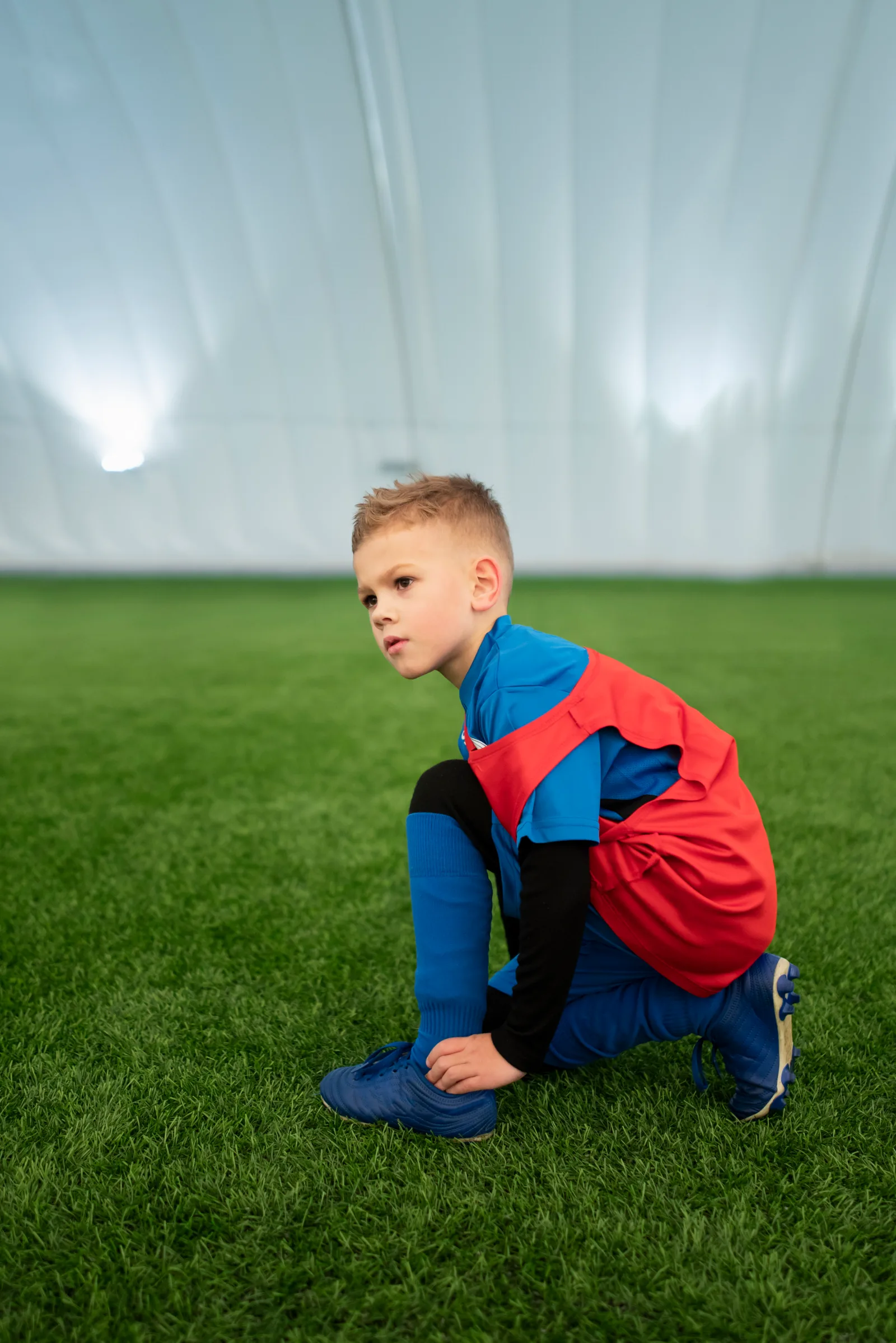
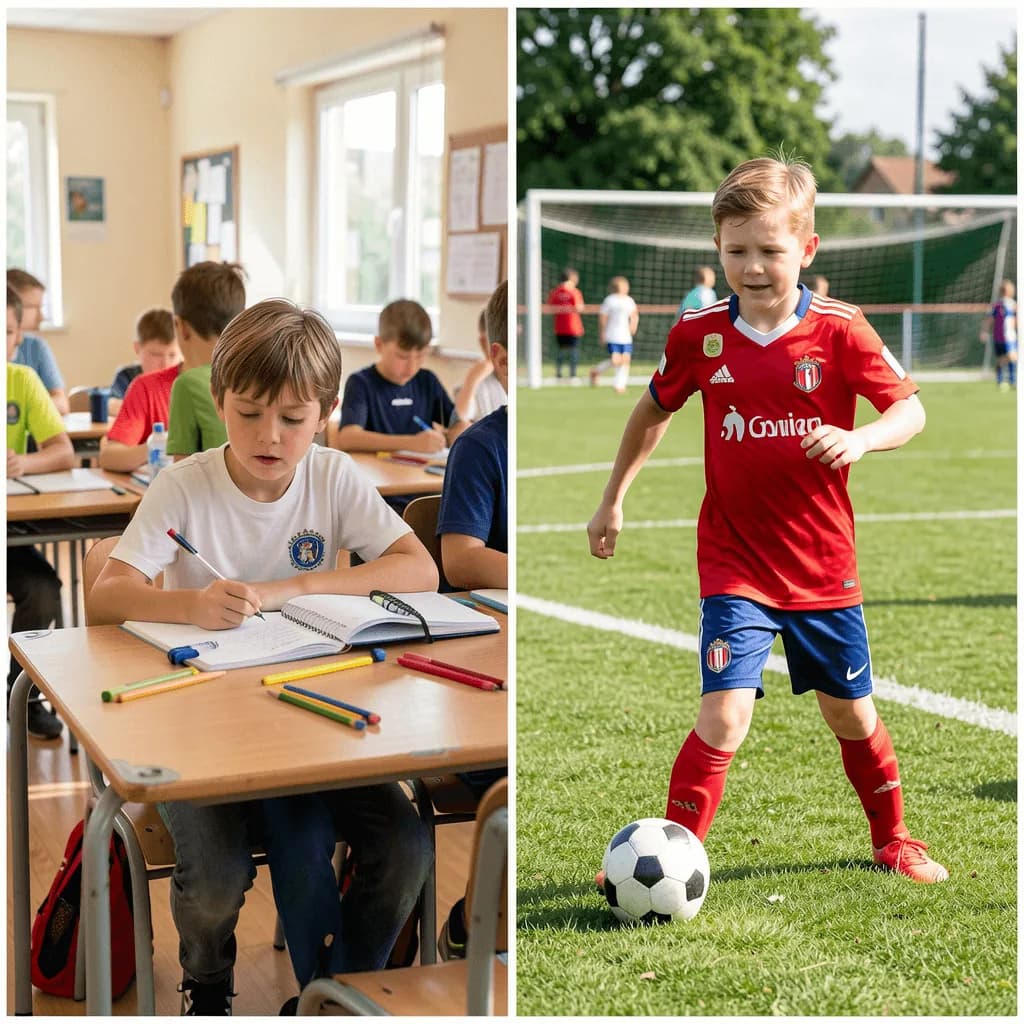
Training four times a week, away matches, and on top of that a maths test and a set book to read by tomorrow… Sound familiar? Balancing sport and school is one of the hardest lessons a young player has to learn.
The good news? Athletes are usually the best-organised pupils! Here’s how to help your child win at school and on the pitch:
1. Planning is your secret weapon
On Sunday evening, sit down together with the calendar. Write down the times of training sessions, tutoring and any announced tests. When your child sees the plan in black and white, it’s easier for them to understand that a “free Tuesday” is time for studying, not for the console.
2. Make use of “dead minutes” ⏱️
Taking the bus to training? Twenty minutes of waiting in the changing room? That’s the perfect moment to go over English vocabulary or look through notes. Small chunks of knowledge are easier to take in than hours of late-night cramming.
3. The “homework first” rule (but sensibly)
It’s worth teaching your child that training is the reward for organising the day well. If homework gets done straight after school, their head will be “clear” on the pitch, which means better concentration during the game.
4. Talking to teachers
Don’t be afraid to tell the school about your child’s passion. Most teachers will appreciate a young athlete’s discipline, as long as they can see the pupil is making an effort to catch up. Sport isn’t an excuse – it builds character!
5. Sleep comes first
Don’t let your child stay up late over their books after a late training session. A tired body doesn’t retain information, and on the pitch it’s more prone to injury. Sometimes it’s better to skip one page of exercises in favour of 8 hours of recovery.
The takeaway: Sport teaches time management better than any productivity course. A young footballer who can balance these two worlds will be able to handle any challenge in the future!
Frequently asked questions
How can you balance training and schoolwork?
Start by planning together. On Sunday evening, write the times of training sessions, tutoring and announced tests into the calendar – when your child sees the plan in black and white, it’s easier for them to understand that a free Tuesday is time for studying.
How can you use the time between activities?
The journey to training or twenty minutes of waiting in the changing room are good moments to go over vocabulary or look through notes. Small chunks of knowledge are easier to take in than hours of late-night cramming.
Should you stay up late studying after a late training session?
No. A tired body remembers less, and on the pitch it’s more prone to injury – sometimes it’s better to skip one page of exercises in favour of eight hours’ sleep.
Should you tell the school about your child’s sport?
Yes. Most teachers appreciate a young athlete’s discipline, as long as they can see the pupil is making an effort to catch up.