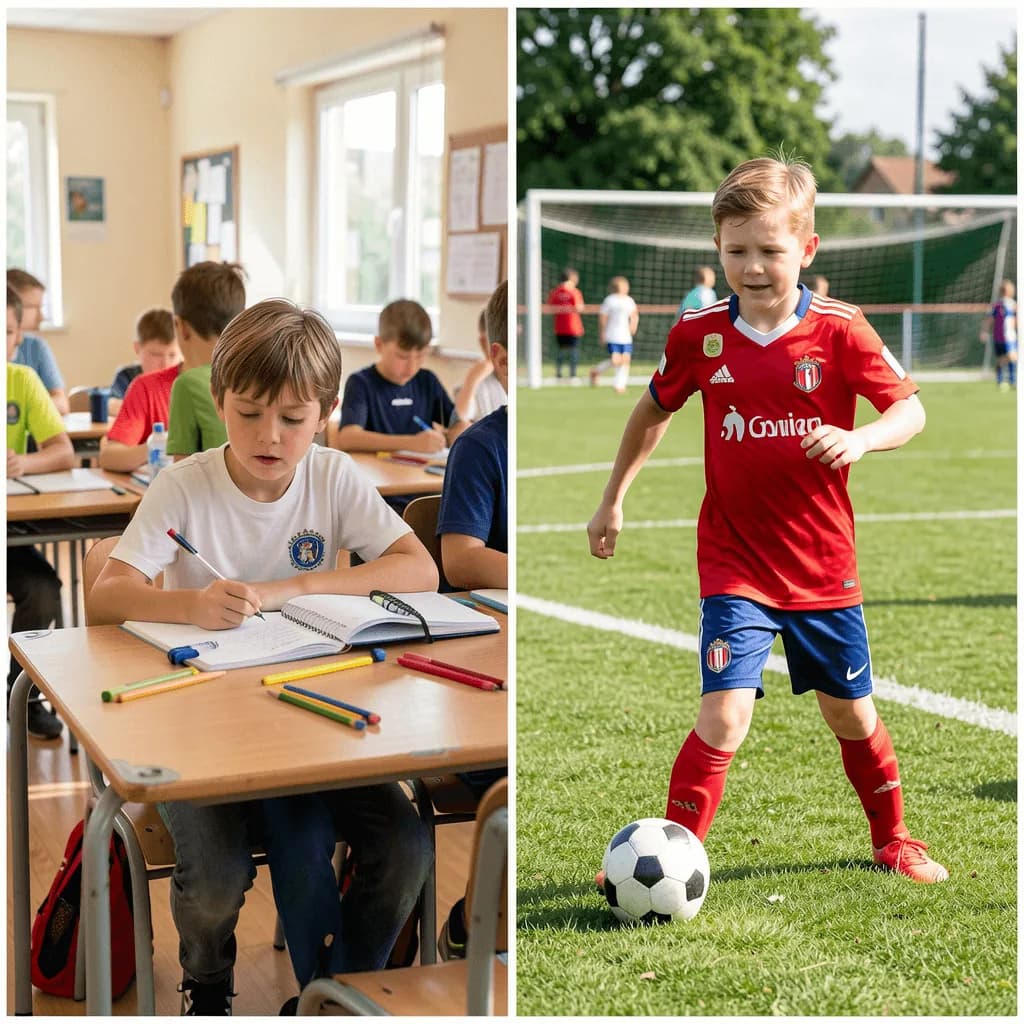
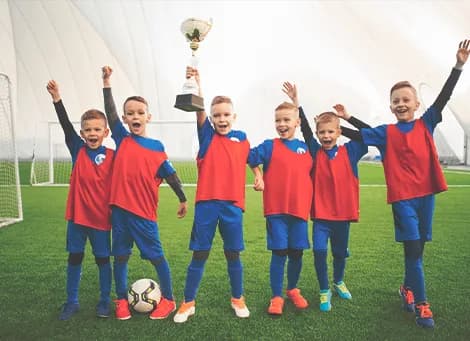
A winning mentality in a 12-year-old: it’s more than just wanting to win! ⚽
We often think a “winning mentality” simply means hating to lose. But for a 12-year-old player, the idea has a much deeper and more important dimension. This is the age when sport becomes more demanding and the head starts to matter as much as the legs.
So what does a champion’s mentality actually mean at this stage? It rests on 3 key pillars:
1. Resilience to mistakes
A true winner at 12 is not the one who never misplaces a pass. It is the one who, after losing the ball, doesn’t throw their arms up in frustration but gets straight back to defending. Understanding that a mistake is information, not a verdict, is the foundation of success.
2. “The fire within”, or self-motivation
At this age, the “playing because my parents tell me to” stage comes to an end. A winning mentality appears when children know for themselves why they want to go out for extra training. It is swapping “I have to” for “I want to be a better version of who I was yesterday”.
3. Focusing on the process, not the result
A 12-year-old with a champion’s mentality can enjoy a well-executed feint or an improvement in their weaker foot, even if the match ended in defeat. They know that development is a marathon, not a sprint to the trophy.
How can you, as a parent, help?
- Praise attitude, not just goals. Recognise fighting spirit, supporting teammates and the fact that your child didn’t give up at 0–3 down.
- Ask smart questions. Instead of “What was the score?”, ask: “Which bit of play are you proudest of today?”
- Teach patience. Explain that champions are built in quiet training sessions, not just under the match-day floodlights.
Remember: At 12, the winner is not the one with the most medals on the shelf, but the one who, after every defeat, is even keener to get back on the pitch and try again.
Frequently asked questions
What is a winning mentality in a 12-year-old?
It is not hating to lose, but three pillars: resilience to mistakes, self-motivation and a focus on the process rather than the result.
How can you recognise resilience to mistakes?
By the reaction. A player with a winning mentality doesn’t throw their arms up after losing the ball but gets straight back to defending – they understand that a mistake is information, not a verdict.
How can a parent help?
By praising attitude, not just goals, by asking smart questions (instead of “what was the score?”, “which bit of play are you proudest of today?”) and by teaching patience.